Your year-end donors are ready to stay. Give them a way.
Five steps to a monthly giving program

"Monthly Giving Builder made the work feel possible again."
- Sydney Zetune, Executive Director, FEAST



From UCLA to 70+ Cities: End Overdose Sparked a College Campus Movement with Maddie Ward


Listen to The Podcast for Marketers Looking to Amplify Their Online Presence
Missions to Movements Podcast
Search the Blog
Blog Categories
I believe positive stories of change can transform our world to be a better place. That’s why I teach nonprofits how to use social media ads to attract potential supporters to their cause and create sustainable giving models by building monthly giving programs for everyone to become a philanthropist.
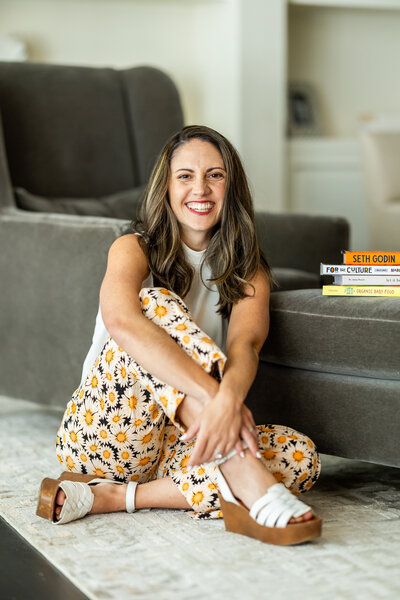
Hey, I'm Dana Snyder!
LISTEN ON APPLE | LISTEN ON SPOTIFY
This episode is brought to you by GivingTuesday! GivingTuesday is a global generosity movement that started in 2012 with a simple idea: a day to do good.
This year, on Tuesday, December 2, 2025, join the conversation: share your favorite nonprofit’s campaign, volunteer for a cause you care about, share an act of kindness, or encourage your audience to do the same.
Use #GivingTuesday, tag @GivingTuesday, and visit GivingTuesday.org/Participate to get involved and inspire others!
From UCLA to 70+ Cities: End Overdose Sparked a College Campus Movement with Maddie Ward
At just 23 years old, Maddie Ward became the Chief Operating Officer of End Overdose, a national nonprofit dedicated to ending drug-related deaths through education, medical intervention, and public awareness. What started as a grassroots effort on the UCLA campus has become a nationwide, youth-led movement with chapters in over 70 cities and more than 500,000 people trained to identify and respond to opioid overdoses.
Ward’s leadership journey is not just about scaling programs, it’s about empowering young people to lead, standardizing operations for growth, and using creativity to spark life-saving conversations.
Building a Scalable, Student-Led Movement
When Ward first encountered End Overdose’s founder, Theo Krzywicki, as a sophomore at UCLA, she saw an urgent need to bring overdose education to college campuses. What started as a small chapter distributing naloxone and fentanyl test strips soon exploded through peer-to-peer outreach and social media.
“Within a few weeks, we trained around 500 students on our campus,” Ward recalls. “Friends from other universities started reaching out wanting to start their own chapters.”
Recognizing the power of standardization, Ward helped develop step-by-step chapter guides, from registration checklists to recruitment timelines, to make replication seamless. This systemization became the backbone of End Overdose’s rapid expansion from a single campus to 70 chapters nationwide.
But scalability wasn’t just about process, it was about sustainability. Ward built a model that required each chapter to train and recruit future leaders, ensuring the work continues even as students graduate. “You shouldn’t just be focused on what you can accomplish during your term,” Ward said. “Sustainability means constantly recruiting and empowering new members to carry the mission forward.”
The Power of Creativity and Autonomy
End Overdose’s success also comes from giving its student leaders creative freedom. From fundraising concerts to awareness festivals, chapters are encouraged to innovate within their communities.
“We don’t tell students exactly how to run every event,” Ward explains. “They know their audience best. When we give them space to create, the results are incredible.”
This autonomy has attracted a diverse group of student leaders, from medical advocates to DJs, each finding their own way to amplify the mission.
Taking the Mission to the Main Stage: Partnerships with Music Festivals
End Overdose has also built groundbreaking partnerships with major music festivals, including Insomniac Events (EDC Las Vegas, Nocturnal Wonderland) and Goldenvoice, the producers of Coachella and Stagecoach.
By setting up booths and safety stations at festivals, the organization distributes naloxone, trains attendees on overdose response, and promotes harm reduction in spaces where it matters most.
“We’ve had people come back years later with their training cards, asking for more naloxone,” says Ward. “These partnerships make life-saving resources accessible to people where they already are.”
Through visibility at these major events and shoutouts from top DJs and artists, End Overdose has reached millions of festivalgoers, inspiring many to volunteer, donate, or start new chapters.
Leadership Lessons from a Young Changemaker
Ward’s rapid rise in the nonprofit world offers powerful insights for other emerging leaders. Her biggest lesson? Empower others to lead. “People can’t grow as leaders if they’re never given the opportunity,” she says. “Our success comes from trusting students to make decisions, innovate, and learn through action.”
She also emphasizes mutual value in partnerships, making sure every collaboration serves both mission and partner goals.
“The most sustainable partnerships are those where both sides see impact,” Ward explains. “For us, it’s awareness and outreach. For festivals, it’s attendee safety and engagement. That’s what keeps the relationship strong.”
Resources & Links
Learn more about End Overdose on their website and Instagram and connect with Maddie on LinkedIn.
This show is brought to you by GivingTuesday! GivingTuesday is a global generosity movement that started in 2012 with a simple idea: a day to do good.
On Tuesday, December 2, 2025, join the conversation: share your favorite nonprofit’s campaign, volunteer for a cause you care about, share an act of kindness, or encourage your audience to do the same.
Use #GivingTuesday, tag @GivingTuesday, and visit GivingTuesday.org/Participate to get involved and inspire others!
My book, The Monthly Giving Mastermind, is here! Grab a copy here and learn my framework to build, grow, and sustain subscriptions for good.
Join The Sustainers, my Slack community for nonprofit professionals growing and scaling a recurring giving program.
Want to make Missions to Movements even better? Take a screenshot of this episode and share it on Instagram. Be sure to tag @positivequation so I can connect with you.
Leave a Reply Cancel reply
This site uses Akismet to reduce spam. Learn how your comment data is processed.

ABOUT
BOOK
mastermind
monthly Giving
speaking
media
contact
blog
copyright © positive equation 2022. All rights reserved
Enter your email below and I'll send you my 5-Step Framework Podcast Series with strategies you can implement RIGHT away to grow your monthly donors!
Sign up for text updates. By participating, you agree to the terms & privacy policy for automated messages from Positive Equation to the phone number you provide. No consent required to buy. Msg&data rates may apply.
Let's grow your monthly donors, together!
privacy policy

Comments